


Seeding for the Future at Paul Preserve: Plus 5 Things You Can Do at Home
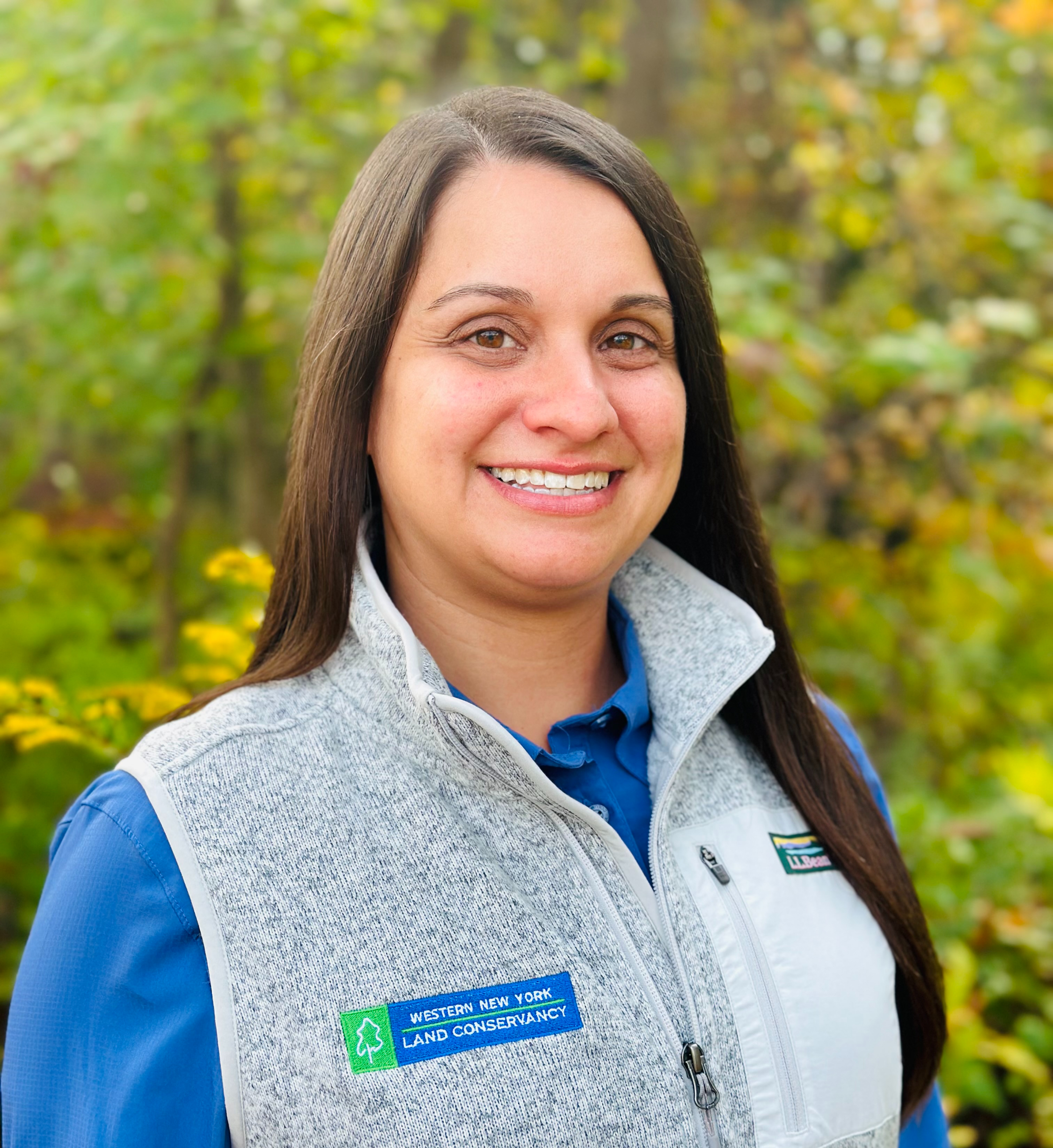
By Brittany Hernon, Restoration Ecologist
Joe Pye Weed American Sycamore Eighteenmile Creek
As I stood alongside the creek at Paul Preserve (Concord, NY) in August, a Ruby-throated Hummingbird swooped in quickly to check out a bee balm flower. Too fast to capture a photo, unfortunately. This creek-side location will be documented over the next five years to demonstrate restoration efforts over time, and the visit from the hummingbird provided a nice sign that this habitat is already experiencing positive change.
Paul Preserve, one of our properties acquired during our 4 for ’24 campaign, protects an important section of Eighteenmile Creek. The New York State Department of Environmental Conservation (DEC) awarded Buffalo Niagara Waterkeeper with a Water Quality Improvement Program (WQIP) grant that paid closing costs for the purchase of the Paul Preserve as well as restoration work until December 2026.
As part of this restoration project, we planted over 100 native trees last fall, including basswood, tulip tree, American sycamore, and red osier dogwood. These trees will improve water filtration, increase streambank stabilization, and provide habitat and food for wildlife. We also installed five-foot fencing and protection around the base of the tree to prevent grazing by deer and small mammals as the trees get established. These new trees have already endured snowfall, freeze-thaw cycles, wind events, and uneven rainfall in the months following the planting. Despite these challenging conditions, they prevailed. Care taken at installation led to a 97% survival rate, and the healthy trees have shown noticeable growth throughout the summer.
This project also includes the removal of thick stands of mugwort and Phragmites along the creek, and treatment of invasive shrubs throughout the property. Since invasive species prevent beneficial native species from growing, removing them increases the success of native seeding efforts which will begin this winter. Planting native trees and spreading native seed following invasive species removal efforts is critical to reestablishing important habitat and also helps prevent invasive species from returning. In the future, no doubt, we’ll see plenty of hummingbirds—and other wildlife—benefitting from this project.
Here are 5 things YOU can do at home this fall to create a haven for plants and wildlife:
Read a good book on native gardening, such as Plant This, Not That by Elise Howard. You can find more resources at Wild Ones Western New York's website.
Plant a native tree! The New York State Department of Environmental Conservation Tree Planting and Maintenance Guide is an excellent resource for those just getting started.
Remove invasives (such as Phragmites or Burning Bush, Japanese Barberry). For information, visit WNY PRISM's Best Management Practices guide. Are you looking for a Phragmites-specific guide? WNY PRISM has that too.
Spread native seed at first frost. Learn more at American Meadows.
Leave the leaves! See our previous post on this topic.
A version of this article first appeared in our fall 2026 issue of The Resource.


